1920
A Bold Beginning
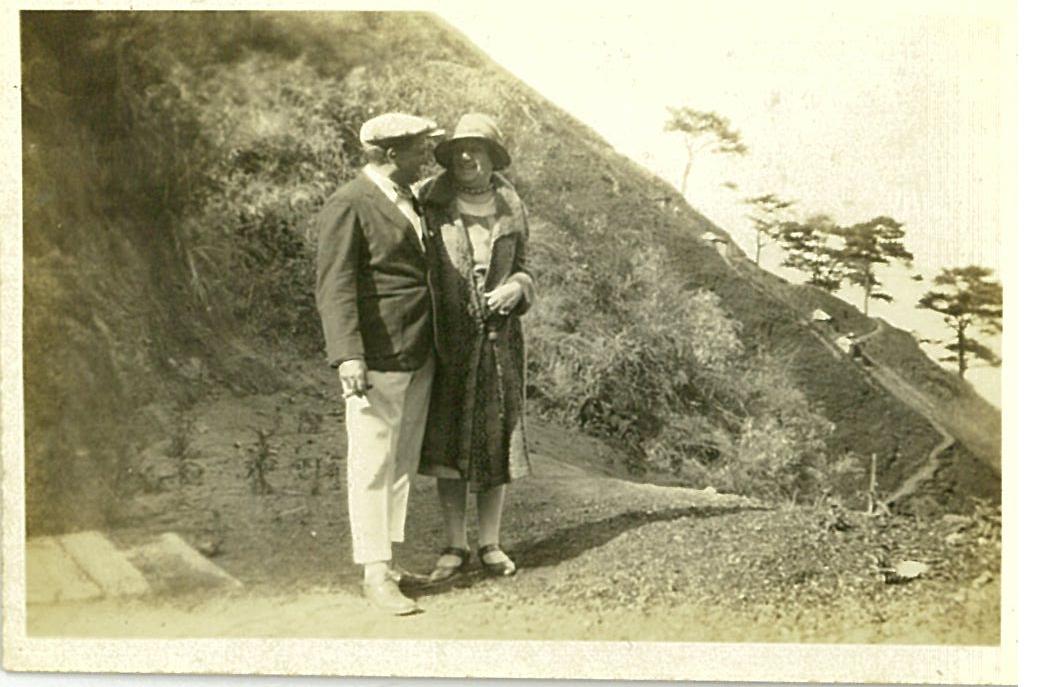
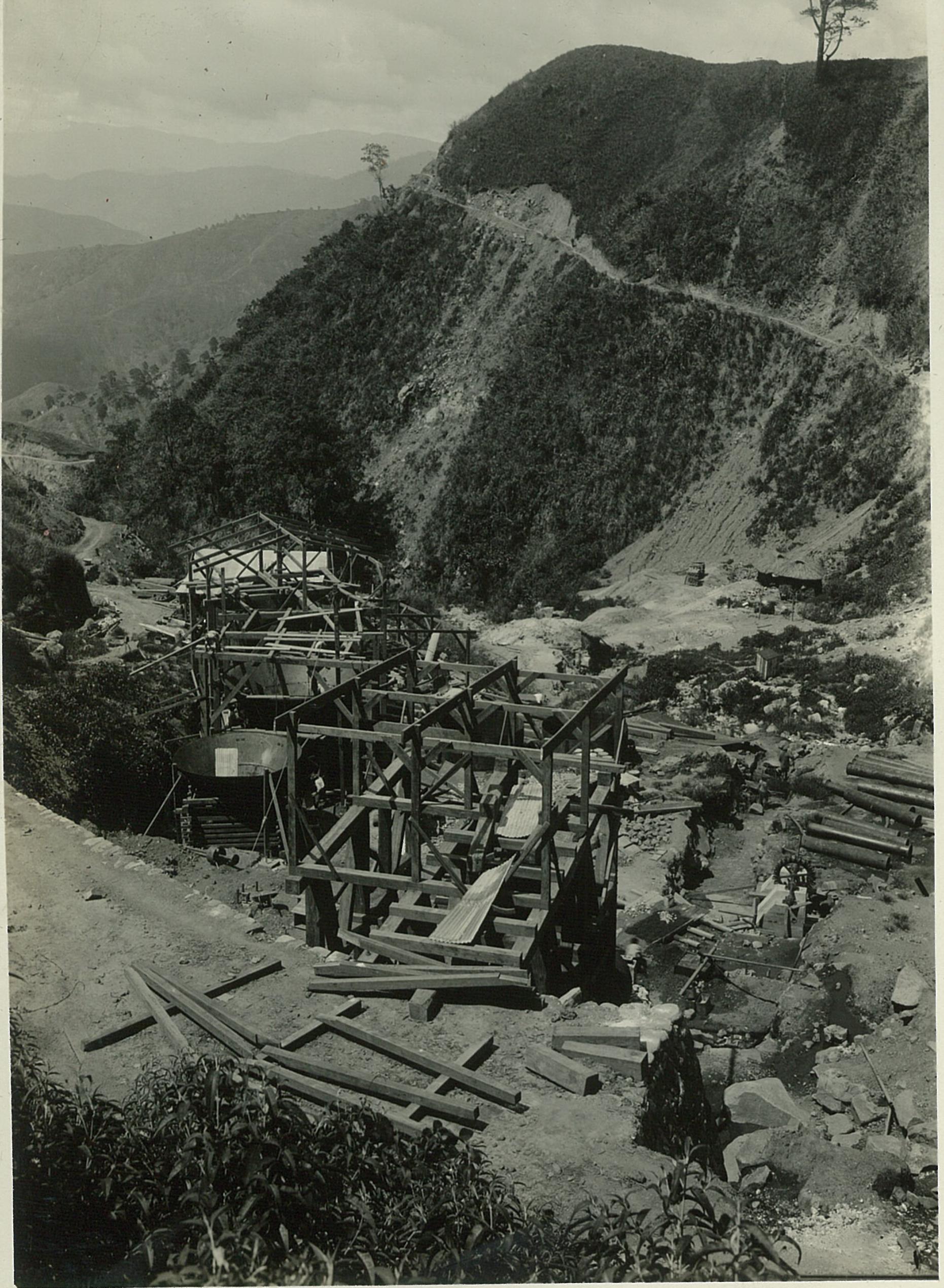
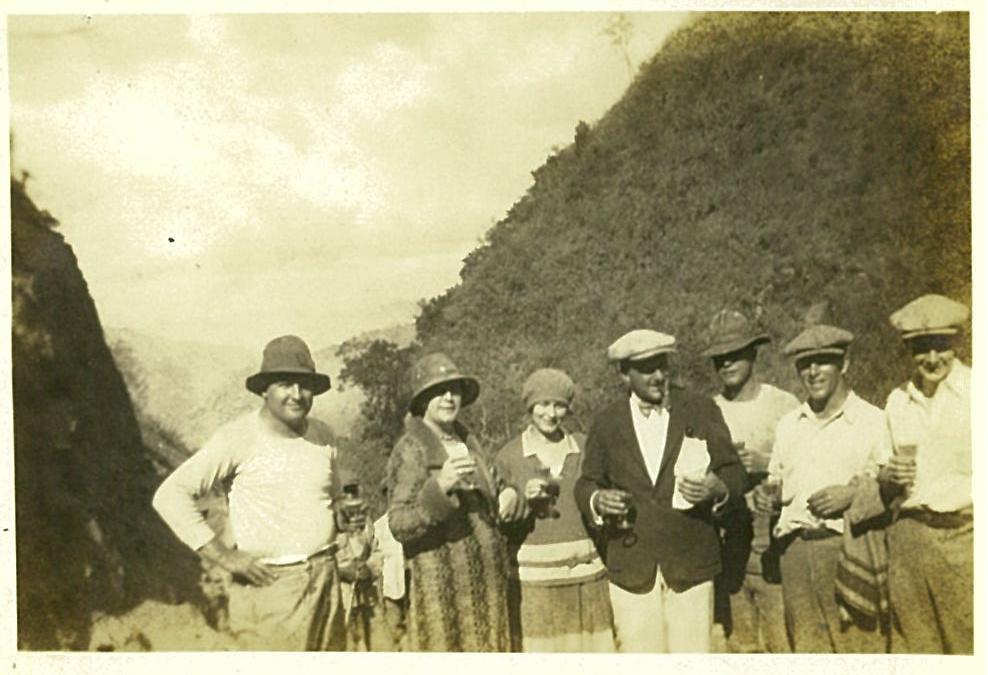
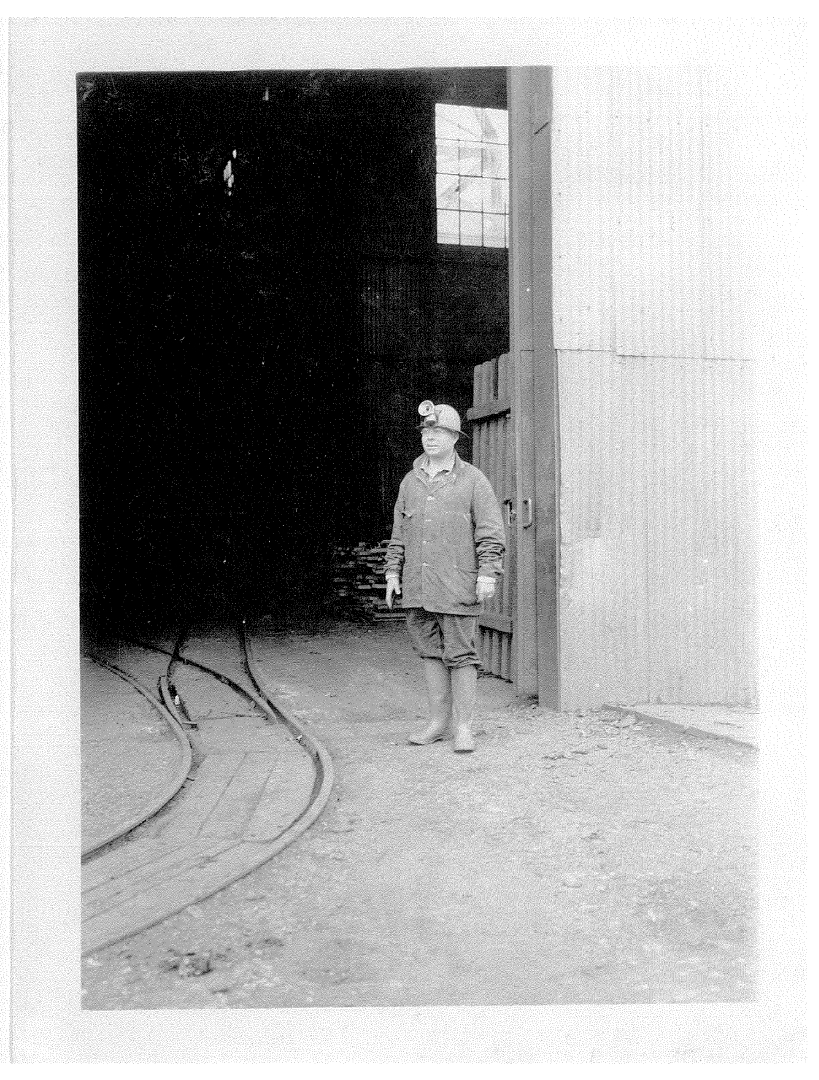
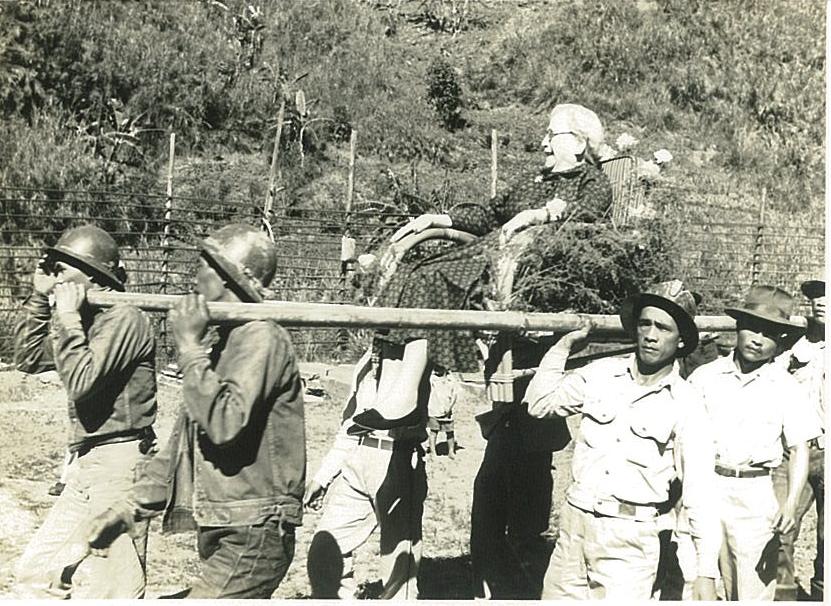
Hank and Mary Marsman left Manila in pursuit of gold in the mountains near Baguio. Embracing the adventurous spirit of early exploration, they entered the world of mining, taking their first step toward what would become a transformative business journey.
1924
Laying the Foundation
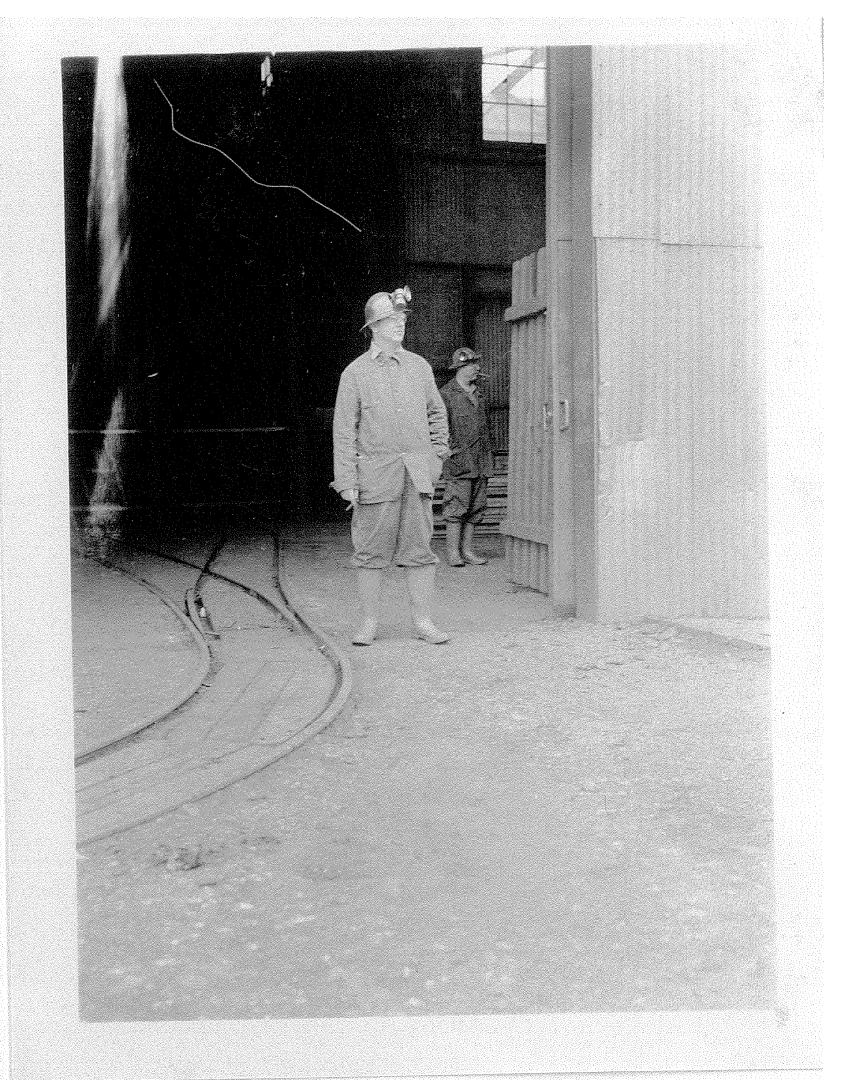
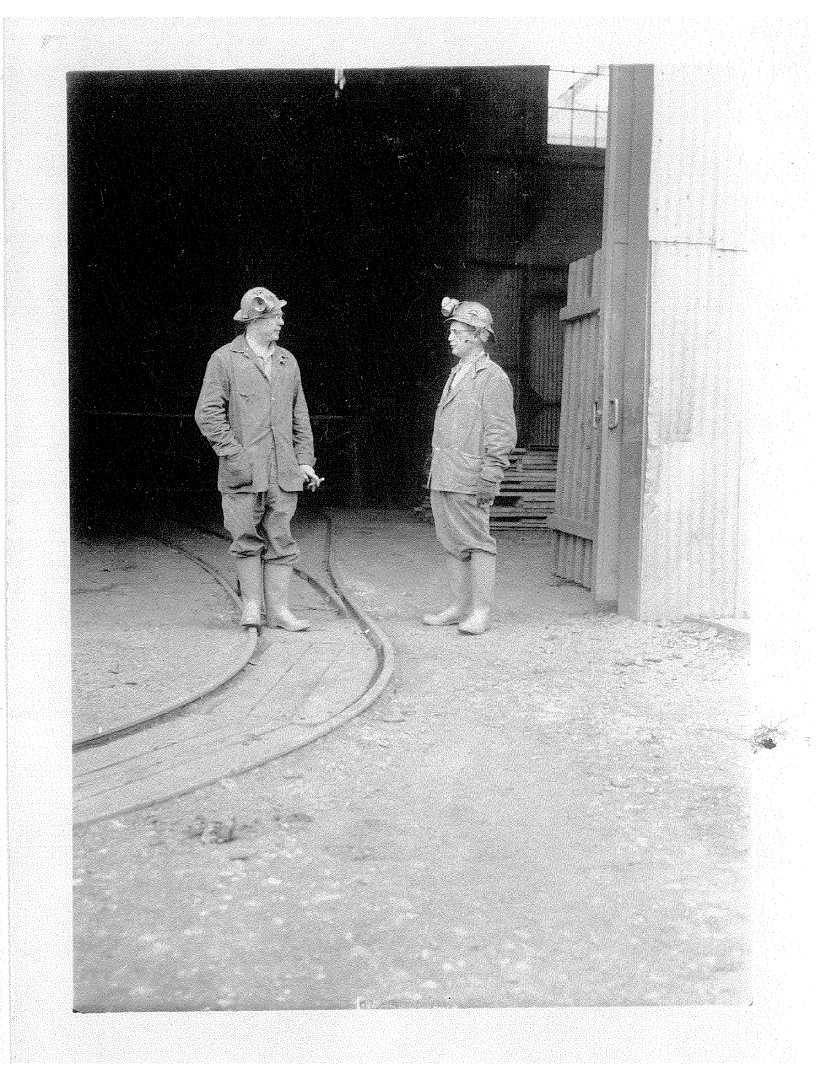
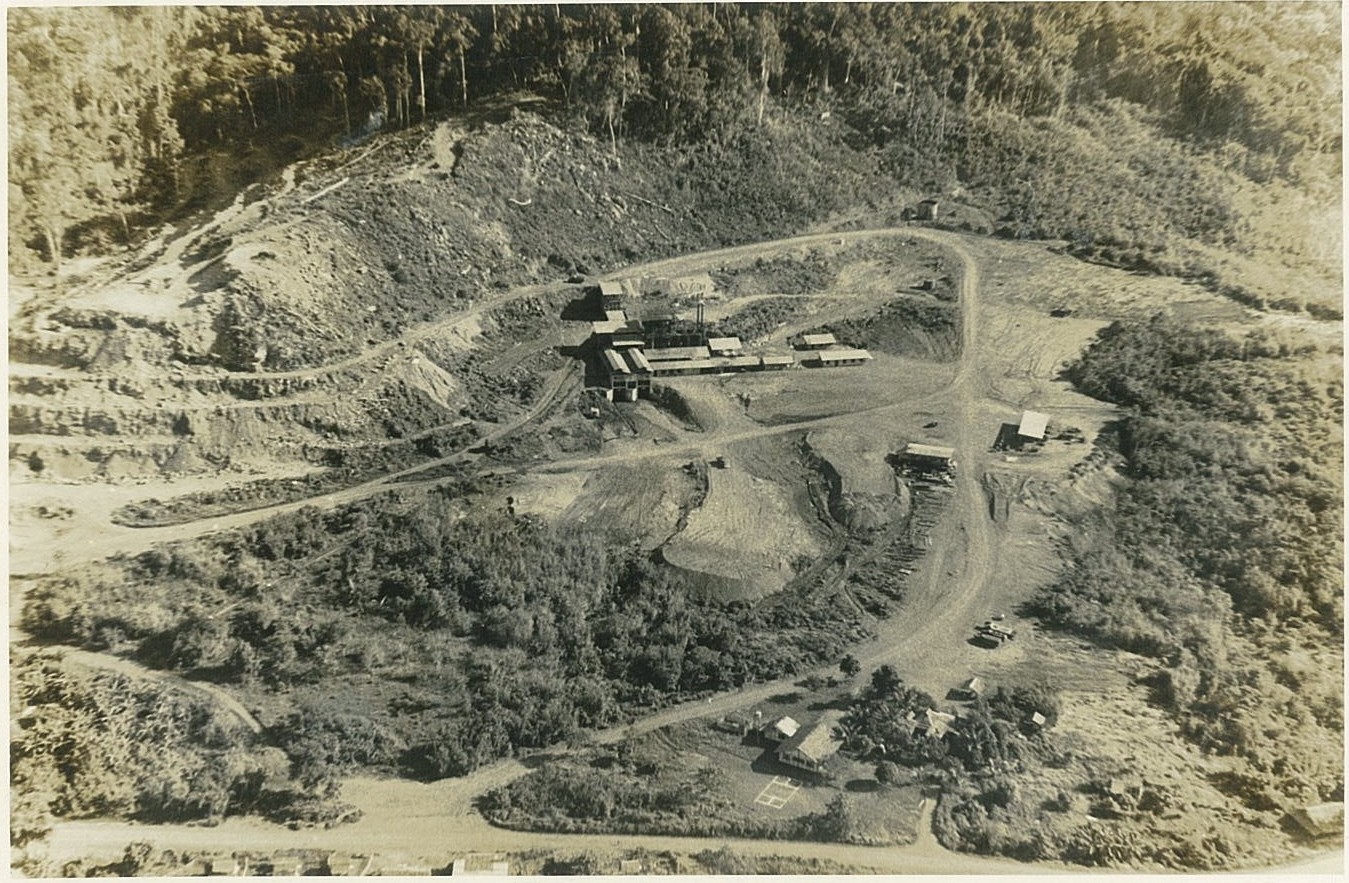
Hank and Mary Marsman founded Itogon Mining Company, transforming a struggling gold mine into a profitable operation. This early success provided the foundation for future ventures into other mining sites and construction.
1929
Expanding Operations
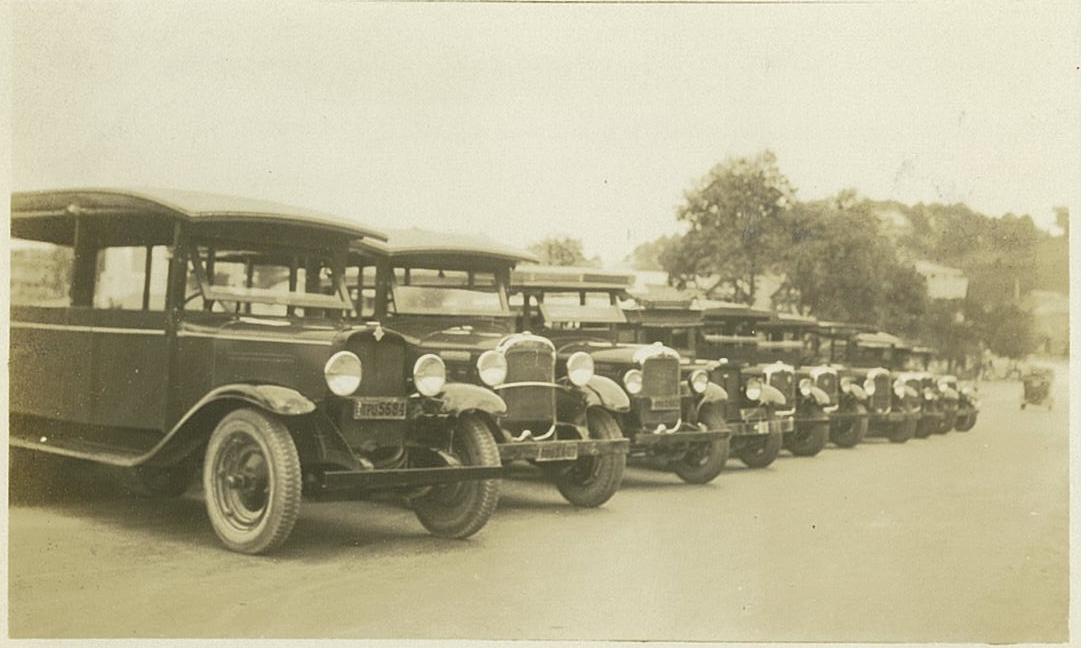
To support their growing mining operations, the Marsmans established Marsman and Company, Inc., in Baguio. They later launched Suyoc Consolidated Mining Company and M.P. Tranco, Inc., the first transportation system connecting remote mining communities.
1933
Mining Boom in the Bicol Region
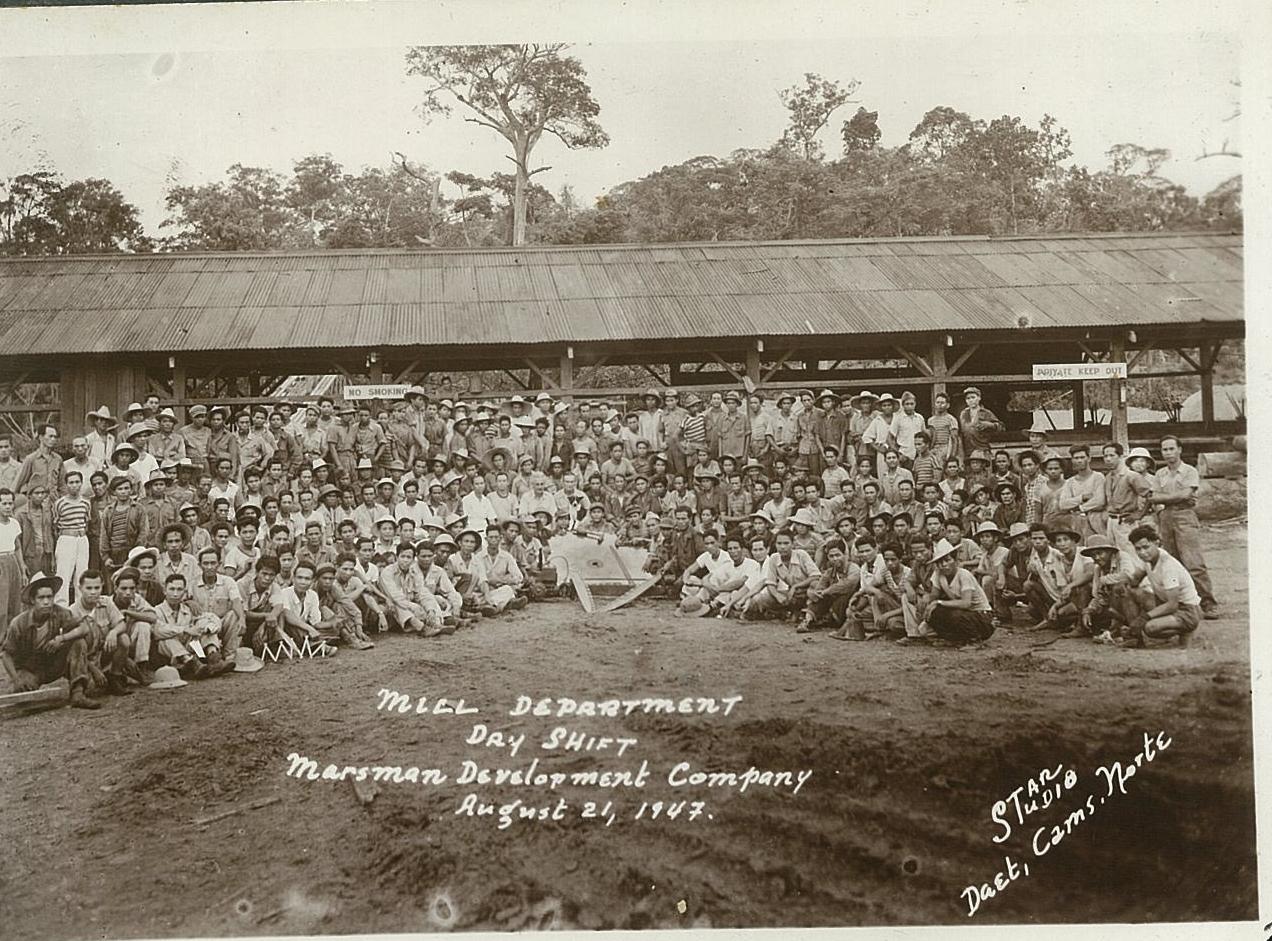
The Marsmans ventured into Bicol, reviving abandoned Spanish-era gold mines and establishing the United Paracale Mining Company. Their expansion also included Coco Grove Inc., the largest placer mining operation in the Philippines, and San Mauricio Mining Company, renowned for its high-grade gold deposits.
1936
Diversification and Growth
With rapid success, the Marsmans expanded beyond mining into engineering, insurance, air transportation, pharmaceuticals, and commodities. To accommodate this growth, they moved their headquarters to Manila, building the Marsman Building in Intramuros, which later became the Japanese Navy headquarters during WWII.
1954
New Ventures in Mining
The Marsmans expanded their footprint in the industry with the launch of Palawan Quicksilver Mines, a highly successful mercury mining operation that became a key supplier to Japan. The venture played a vital role in the group’s growth and operated for over two decades, contributing significantly to the development of Palawan and the broader mining sector.
1956-1963
A Test of Strength
The passing of Hank Marsman in 1956 marked a pivotal moment for the company. Mary Marsman stepped in to lead, navigating challenges such as post-war loan repayments. Despite setbacks, including the shutdown of three Bicol mines and the loss of Itogon-Suyoc Mines, the company persevered. Mary passed away in 1963, leaving the family business in the hands of trusted successors.
1968-1997
A New Era Under George W. Drysdale
George W. Drysdale, husband of Anne Marsman Drysdale, the only child of Hank and Mary Marsman, took over the company’s leadership during a critical time. Under his guidance, the company overcame legal and financial hurdles, stabilizing its operations. He strategically shifted investments toward agribusiness, food processing, tourism, and healthcare, setting the stage for the Marsman Drysdale Group’s evolution into a diversified industry leader.
1997-Present
From Father to Son, George M. Drysdale
From its mining roots to a multi-industry powerhouse, Marsman Drysdale Group has built a legacy of strength, progress, and innovation, reflecting its pioneering spirit and commitment to growth.